
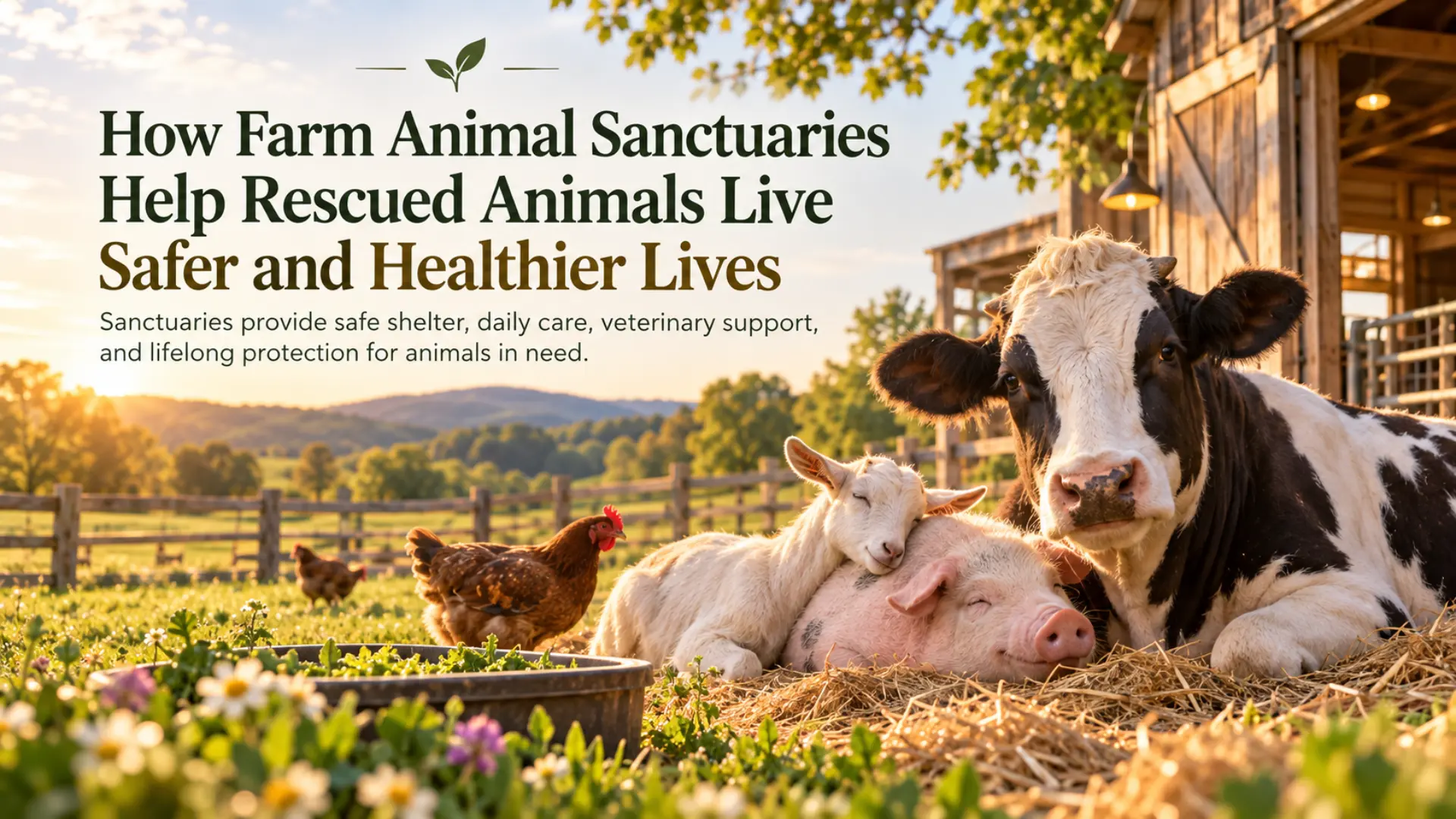
Farm animal sanctuaries play an important role in providing safe environments for animals that have experienced neglect, abandonment, injury, or difficult living conditions. Unlike traditional farming operations, animal sanctuaries focus primarily on the long-term well-being of their residents, offering appropriate shelter, nutrition, veterinary attention, and daily care. These places provide opportunities for rescued animals to recover from challenging circumstances and live in environments where their individual needs receive attention.
Understanding how farm animal sanctuaries operate can help people appreciate the responsibilities involved in animal rescue. Caring for rescued farm animals requires more than providing a temporary place to stay. It involves patience, consistent resources, suitable facilities, and a commitment to maintaining a healthy environment throughout each animal’s life. From everyday feeding routines to specialized medical treatment, sanctuary care represents an ongoing effort to improve animal welfare.
Understanding the Importance of Farm Animal Rescue
Farm animals may require rescue for many different reasons. Some have experienced inadequate care or unsafe conditions, while others need new homes because their previous caregivers can no longer look after them. Changes in financial circumstances, property ownership, or personal health can sometimes leave animals without reliable care. In other situations, animals may have physical disabilities or medical conditions that require additional attention.
Farm animal rescue organizations help address these challenges by providing suitable living environments and developing care plans based on the needs of individual animals. Depending on the species and circumstances, this may involve veterinary examinations, nutritional support, rehabilitation, or gradual introductions to other animals.
Rescue efforts also highlight the importance of responsible animal ownership. Farm animals depend on people for appropriate food, clean water, protection from extreme weather, and access to medical treatment. Their needs can continue for many years, making animal care a significant long-term responsibility.
Why Individualized Care Matters for Rescued Animals
Every rescued animal has a different background, personality, and physical condition. An animal recovering from an injury may need a different environment from one that has experienced prolonged neglect. Older animals may require adjustments to their diets or living arrangements, while animals with impaired vision or mobility may benefit from specially adapted facilities.
Individualized care begins with understanding these differences. Caregivers often observe eating habits, movement, social behavior, and general health to identify areas requiring attention. Veterinary professionals can help establish appropriate treatment plans and recommend adjustments as an animal’s condition changes.
Emotional and behavioral recovery can also be important. Animals that have experienced stressful conditions may need time to become comfortable with new surroundings and unfamiliar caregivers. Consistent routines, gentle handling, and appropriate companionship can help create a more predictable environment.
The goal of individualized care is not simply to address immediate health concerns but to support an animal’s continuing quality of life. By recognizing different needs and limitations, sanctuaries can provide care that respects each resident as an individual.
Creating a Safe and Healthy Environment for Farm Animals
A suitable sanctuary environment requires careful planning and regular maintenance. Different farm animal species have distinct requirements for space, shelter, feeding, and social interaction. Goats, sheep, chickens, horses, and other animals cannot always be cared for using identical arrangements, making appropriate housing and management essential.
Secure fencing is one of the fundamental parts of maintaining a safe property. Well-maintained boundaries help prevent animals from wandering into dangerous areas and can reduce exposure to certain outside threats. Shelters also provide important protection from rain, wind, excessive heat, and cold temperatures.
Clean water and species-appropriate nutrition are equally important. Feeding requirements vary according to an animal’s age, health, size, and species. Reliable access to suitable food and regular monitoring of body condition help support long-term health.
Maintaining clean living areas can reduce exposure to harmful conditions. Bedding, feeding equipment, water containers, and shared spaces require regular attention. Good sanitation practices, along with veterinary guidance and appropriate preventive care, contribute to healthier living environments.
Daily Animal Care and Responsible Land Management
Running an animal sanctuary involves a consistent daily schedule. Feeding, watering, checking enclosures, observing animal behavior, and maintaining facilities are responsibilities that continue regardless of weather or other circumstances. Even a relatively small group of farm animals can require considerable time, physical effort, and financial resources.
Pasture management is another important consideration for properties with grazing animals. Rotational grazing, when suitable for the land and animals involved, can help distribute grazing pressure and give vegetation time to recover. Managing pasture conditions also helps caretakers monitor the availability and quality of forage.
Some sanctuaries incorporate gardening, composting, and other environmentally conscious practices into their operations. Composting suitable organic materials can contribute to soil management, while thoughtful land use may help maintain productive growing areas. Animal manure must be handled appropriately to reduce environmental and health risks.
Responsible land management is closely connected with animal welfare because the quality of the surrounding environment can influence daily living conditions. Healthy pastures, reliable water access, clean shelters, and safe outdoor spaces all contribute to a more sustainable care system.
Meaningful Ways to Support Farm Animal Sanctuaries
Supporting farm animal sanctuaries can make a practical difference in the lives of rescued animals. These organizations frequently depend on donations, fundraising activities, volunteers, and community participation to maintain their facilities and provide ongoing care.
Financial contributions may help cover food, bedding, veterinary services, fencing repairs, shelter improvements, and other necessary expenses. Because many rescued animals remain at sanctuaries for extended periods, funding requirements continue long after the original rescue takes place.
Community involvement also helps increase awareness of animal welfare. Learning about responsible animal care, sharing educational resources, and introducing others to reputable rescue organizations can encourage greater understanding of the challenges involved in operating a sanctuary.
For people interested in volunteering, it is important to contact an organization directly and learn about its requirements. Some sanctuaries offer opportunities to assist with approved activities, while others may have limited volunteer programs because of safety considerations or the specialized needs of their residents.
How Donations and Ethical Purchases Support Long-Term Care
Donations are one way to contribute to the continuing needs of rescued farm animals. Regular financial support can be particularly useful because essential expenses, including food and medical care, occur throughout the year rather than only during emergencies.
Some animal welfare organizations also raise funds through handmade products, merchandise, educational activities, or small fundraising shops. Purchasing these items can provide another form of support when a portion of the proceeds is directed toward sanctuary operations. Before making a purchase, supporters may wish to review how the organization describes its fundraising activities and allocation of proceeds.
Choosing a reputable organization is an important part of responsible giving. Reviewing publicly available information about its mission, animal care practices, charitable status, and financial transparency can help potential supporters make informed decisions.
Supporting animal welfare does not always require a large financial commitment. Small donations, sharing reliable educational information, or participating in appropriate community fundraising activities can contribute to wider awareness and ongoing care efforts.
Ultimately, farm animal sanctuaries represent a long-term commitment to providing safer and healthier lives for animals in need. Successful sanctuary care depends on suitable facilities, individualized attention, responsible land management, and reliable community support.
By understanding the realities of animal rescue and the resources required to maintain a sanctuary, people can make more thoughtful decisions about how to contribute. Whether through education, donations, ethical purchases, or volunteering, meaningful support helps create opportunities for rescued farm animals to experience stability, appropriate care, and a more secure future.